 (Image source: Gemini)
 Remember when "work-life balance" (WLB) meant leaving the office at 5 PM and trying not to check your pager? That definition feels like ancient history now. For decades, WLB was treated as a simple, mechanical separation—a 50/50 split you had to maintain by sheer willpower.
Today, that model is fundamentally broken. We’re living through a deep cultural shift, driven by generational demands, technological saturation, and the lasting impact of the pandemic. These forces aren't just adjusting policies; they’re redefining what a healthy professional life even looks like.
The central thesis here is simple: Changing societal values have transformed WLB from a desirable employee perk into a non-negotiable organizational mandate. If you're a leader, you must adapt to this new reality. If you're an employee, you're the one driving the change.
Values Driving Demand for Flexibility
The most powerful engine pushing this cultural shift is the changing priority set of younger generations. Millennials and, most importantly, Gen Z don’t view work as the sole source of identity or fulfillment. They’re prioritizing well-being, purpose, and autonomy above traditional career climbs.
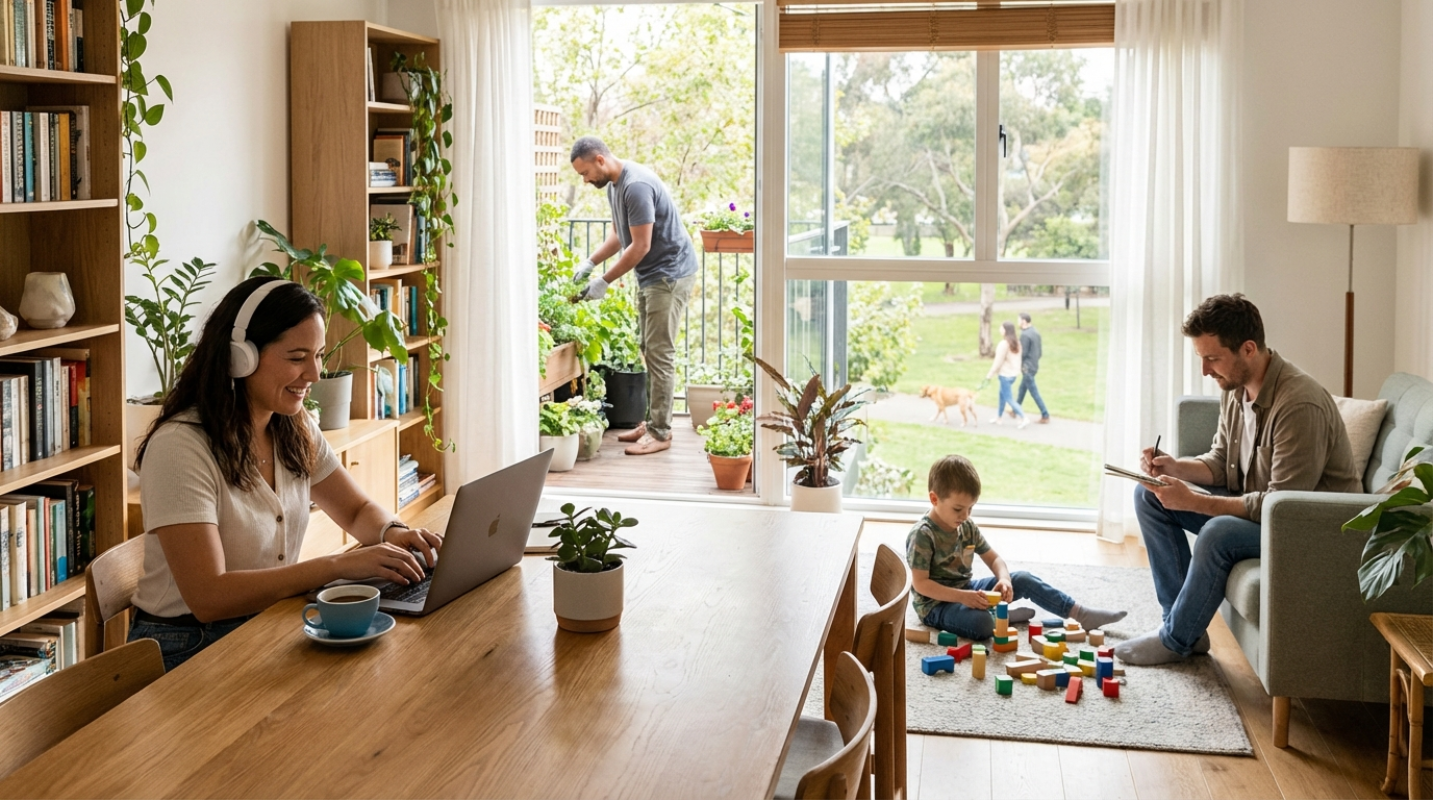
For this cohort, the idea of "work-life balance" is often replaced by concepts like work-life integration or harmony. They understand that work and life aren't separate entities to be rigidly balanced; they’re intertwined parts of a single existence.
This shift has direct, measurable consequences for employers. Younger workers are far more likely to vote with their feet. In fact, nearly half of Gen Z workers—49%—have indicated they would quit within two years if they were dissatisfied with a company’s values or its approach to WLB.¹ This expectation is so strong that it’s beginning to eclipse traditional motivators. Recent projections suggest that 28% of all employees now rank WLB as their top motivator at work, narrowly surpassing compensation at 27%.² This isn't just about money anymore; it’s about quality of life.
If your organization treats flexibility as a concession, not a default, you simply won't attract or retain the next generation of talent.
Technological Acceleration and the Blurring of Boundaries
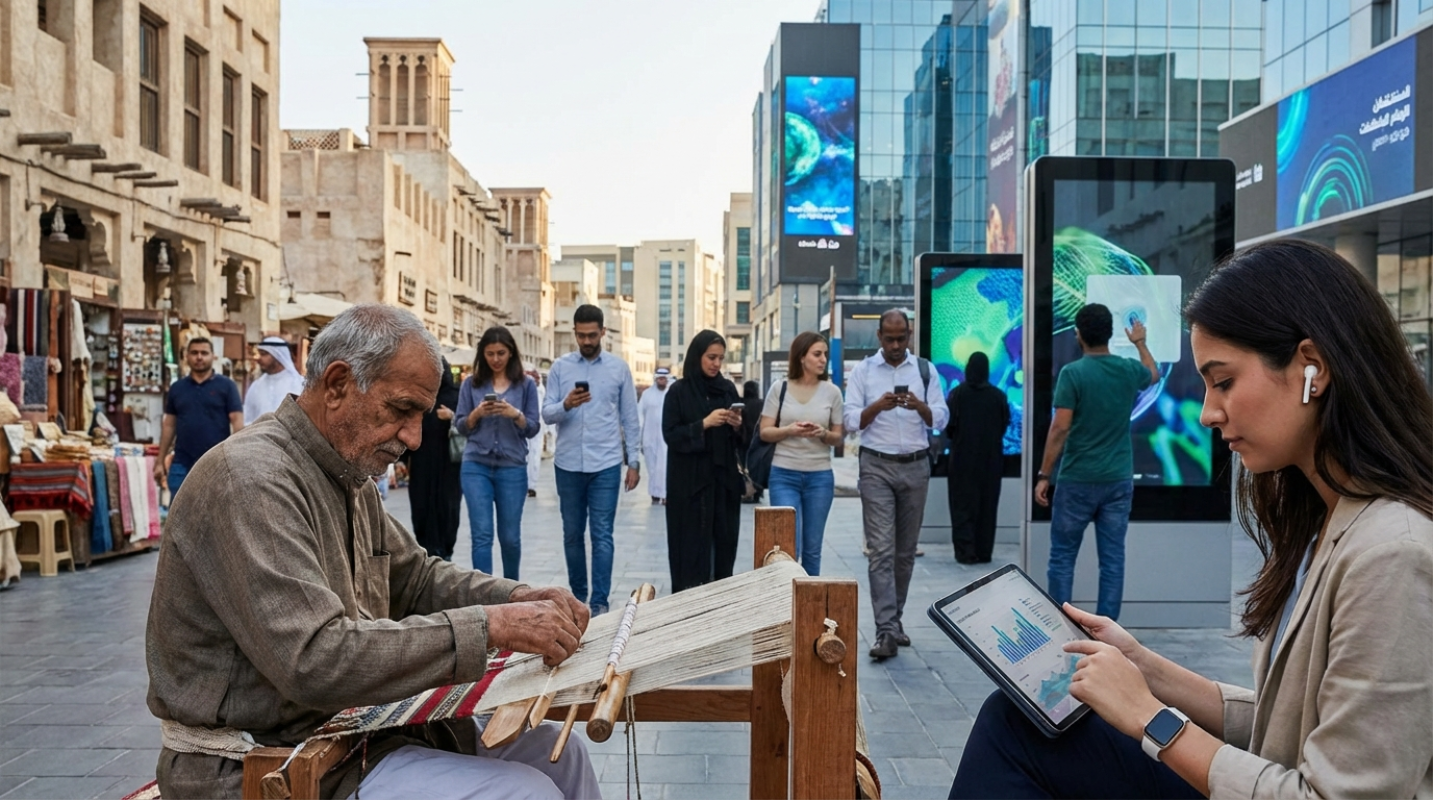
Technology is the double-edged sword of modern WLB. Although smartphones, cloud services, and remote collaboration tools enabled the massive shift to flexible work, they also created the cultural expectation of always-on availability.
Sound familiar? That little red notification badge on your phone is the digital equivalent of a tether to your desk. It’s the primary reason why many people struggle to switch off, even when they’re physically away from the office.
Culturally, we've had to adapt by implementing new guardrails. The most significant corporate response has been the push for "Right to Disconnect" laws, which mandate that employees are not penalized for ignoring work-related communications outside of core hours. This isn't just a legal maneuver; it's a cultural statement that your personal time is sacred.
Plus, forward-thinking organizations are embracing asynchronous work models. This approach challenges the deeply ingrained cultural belief that "presence equals productivity." Instead of requiring everyone to be online for eight consecutive hours, asynchronous work focuses on results and allows employees to manage their workflow around their personal energy peaks and family commitments. It respects the fact that not everyone does their best work between 9 AM and 5 PM.
The Post-Pandemic Cultural Reset
The pandemic didn't create the desire for flexibility; it simply accelerated its adoption by about a decade. What was once a rare perk reserved for senior management is now considered a standard operating procedure.
The cultural reset is clear: Flexibility is no longer a temporary fix. It is the new foundation. The data backs this up consistently. A staggering 98% of workers express a desire to work remotely at least some of the time.⁶ When forced to adopt remote models, companies realized two things: first, that it works, and second, that employees are often more productive. Productivity among remote employees actually increased by 22% between 2023 and 2024, driven by fewer distractions and better WLB.⁶
This widespread success has stabilized the hybrid model as the dominant arrangement. Although some employers still push for full returns to the office, the cultural momentum is against them.
But normalizing flexibility introduces new cultural challenges. We must actively combat proximity bias—the tendency for managers to favor employees they see in person. Making sure equitable WLB means intentionally designing policies, promotion paths, and communication approaches that treat remote and in-office staff identically. If your company culture subtly punishes those who choose to work from home, you haven't truly embraced flexibility.
The Rise of Complete Well-being and Mental Health Advocacy
Perhaps the most human and necessary shift has been the cultural recognition that mental health is not separate from professional performance; it is integral to it. In the face of persistently high burnout rates (affecting over half of employees), organizations are finally moving beyond token wellness perks.
We are seeing the implementation of tangible, culturally supportive policies. This includes mandatory mental health days and vastly expanded Employee Assistance Programs (EAPs). But the truly modern approach involves giving employees autonomy over their own well-being.
Take Lifestyle Spending Accounts (LSAs), like. Instead of dictating benefits, LSAs allow employees to tailor wellness spending to their needs—be it childcare, gym memberships, or mental health apps. This cultural shift recognizes that well-being is personal.
Another significant trend for the future is the focus on Brain Health. This means creating cultures that support deep, focused work by implementing "no meeting blocks" or "focus time." It’s a recognition that constant context switching is inefficient and exhausting.
More importantly, this cultural change requires leadership vulnerability. When senior leaders openly discuss their own need for boundaries and mental health support, they culturally champion the practice for everyone else. It gives employees permission to prioritize their health without fear of professional penalty.
Top Recommendations for Building Modern WLB
The cultural forces at play demand immediate and continuous organizational adaptation. Simply offering a hybrid schedule isn't enough; you must redesign the structure of work itself.
Policy Implementation and Cultural Change
- Adopt Results-Only Work Environments (ROWE): Shift the cultural focus entirely away from hours spent at a desk and toward measurable outcomes. This is the ultimate expression of trust and autonomy.
- Mandate Disconnection: Implement and enforce a formal "Right to Disconnect" policy. Importantly, train managers on how to model boundary setting.
- Invest in Personalized Well-being: Move away from generic perks. Increase investment in flexible benefits like Lifestyle Spending Accounts (LSAs) to meet diverse employee needs.
- Address Proximity Bias: Implement structured, written guidelines for performance evaluations to make sure remote employees are judged solely on output, not visibility.
The Necessity of Continuous Adaptation
The pursuit of better WLB isn’t a management fad; it’s a necessary response to deep-seated societal changes. The younger workforce demands it, technology enables it, and the post-pandemic realization that life is fragile reinforces it.
The next five years won't be about if we offer flexibility, but how we embed flexibility, autonomy, and complete well-being into the very DNA of the workplace. Organizations that embrace this cultural evolution will reap the rewards of higher productivity, loyalty, and significantly better talent retention. Those that cling to outdated, presence-based models? They’ll quickly find themselves struggling to keep up with the demands of the modern employee.
Sources:
1. Work-Life Balance and Gen Z Retention
https://www.surveymonkey.com/curiosity/work-life-balance-statistics/
2. Work-Life Balance in 2025: The Year We Finally Get It Right
https://careeraiapp.com/blog/work-life-balance-in-2025-the-year-we-finally-get-it-right
6. Remote Work Trends 2025: Productivity, Post-COVID Evolution, and Future Work Statistics
https://joinhorizons.com/remote-work-trends-2025-productivity-post-covid-evolution-and-future-work-statistics/