 (Image source: Gemini)
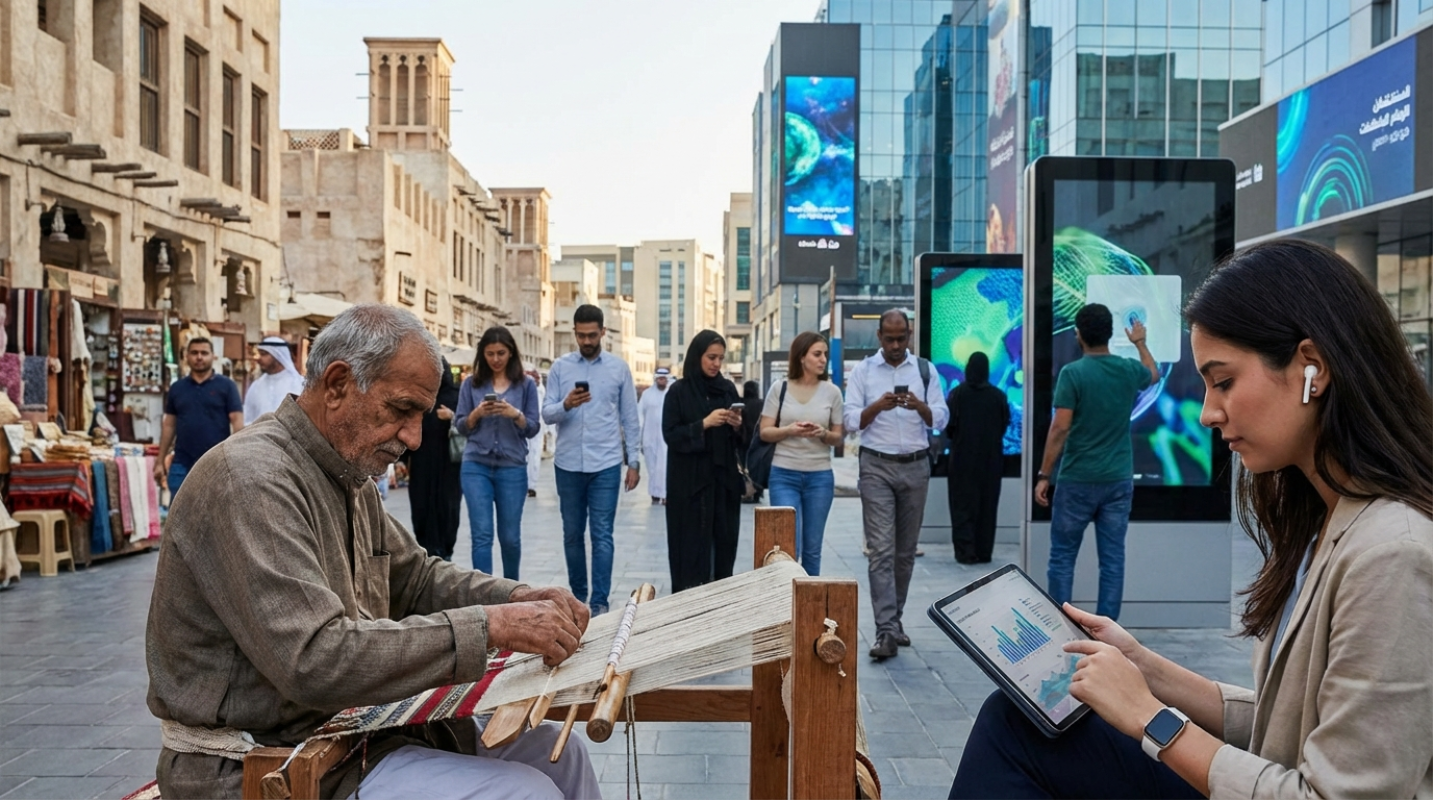
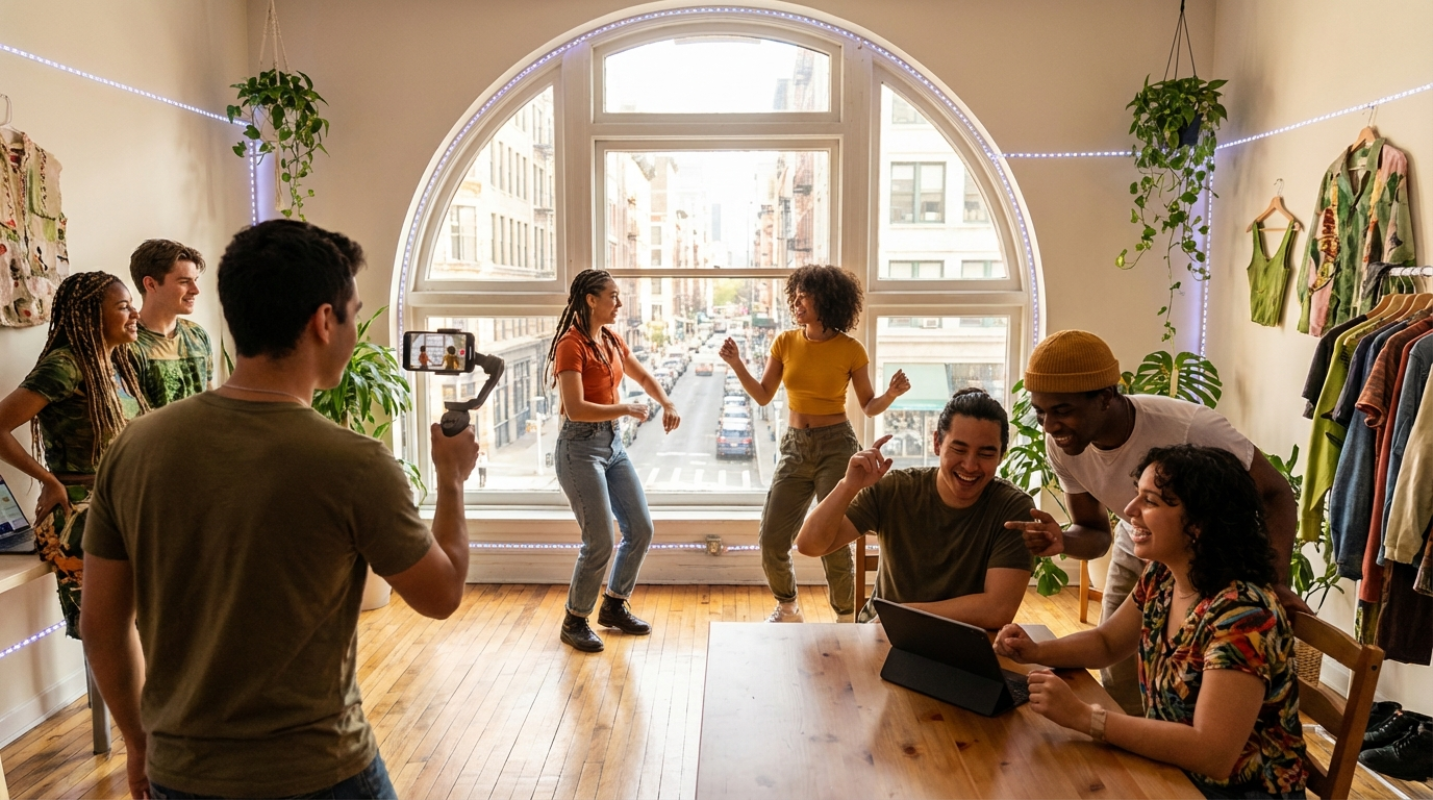
 If you want to understand youth culture in 2025, you don't look at TV ratings or fashion magazines. You look at the "For You Page." TikTok has long since cemented its role as the primary driver of cultural shifts, but today, it’s less of an entertainment platform and more of a cultural search engine and identity workshop. With 1.59 billion monthly users worldwide, nearly half of whom—45%—fall into the Gen Z demographic, the platform’s influence is undeniable.¹ TikTok doesn't just reflect what young people care about; it actively shapes how they communicate, consume, and organize their social values.
So what does this actually mean for the rest of us?
By examining the dominant trends of 2025, we find a clear blueprint of modern youth priorities. This generation is prioritizing radical authenticity, fragmenting into hyper-specific micro-communities, and cycling through ideological and aesthetic phases at dizzying speeds. They are searching for utility, demanding honesty, and rejecting the performative polish that defined previous social media generations.
Hyper-Niche Language and Affective Expression
The way young people talk on TikTok is a direct reflection of their need for speedy, exclusive communication. Forget generalized hashtags; 2025 is defined by hyper-niche language and in-group jargon that often is a quick cultural litmus test.
Consider the explosion of terms like Era Coding—the practice of defining a specific phase of one’s life with a mood or goal, like entering a "hustle era" or a "soft girl era." This isn't just slang; it’s a self-development tool, reflecting a generation obsessed with optimization and self-categorization. Then you have the absurd, chaotic humor, exemplified by nonsense catchphrases like 67 (or 6-7). This "brain-rot" style of humor prioritizes vibe and randomness over logical punchlines, signaling a collective embrace of the absurd as a coping mechanism against a stressful world.
Importantly, the performance of vulnerability has replaced the performance of perfection. Young users are rejecting the polished, filtered content of Instagram’s past, opting instead for curated messiness. This digital vulnerability—airing insecurities, struggles, and real-time anxieties—drives engagement because it builds "Brand Chem," where genuine connection is the ultimate currency.
But this short-form, high-impact communication style has consequences. The constant demand for rapid narrative delivery impacts attention spans, forcing real-world interactions to adopt the pace and soundbite structure of the "For You Page." If you can’t summarize your point in a 15-second sound bite, you might not be heard.
The Rise of 'De-Influencing' and Micro-Brands
The relationship between youth culture and commerce has undergone a massive transformation. TikTok is no longer just a place to see product reviews; it’s where consumers actively dismantle the traditional influence model.
The de-influencing movement, which gained serious traction in 2025, sees creators telling their audiences what not to buy, or offering cheaper, more sustainable alternatives. This is a direct rejection of the mass-market, high-volume consumerism that characterized the early influencer era. Young people are demanding utility, not just aesthetics. They want to know the science behind a product (hello, the protein-ifcation of food and the focus on the Skin Barrier in beauty) and they want to trust the source.
This demand for authenticity fuels the preference for sustainable or hyper-local micro-brands. TikTok Shop has successfully integrated commerce, but the winners aren't always the traditional heavyweights. Instead, products that demonstrate immediate, tangible results—like the Wonderskin Lipstain that sold every five seconds during a peak period—win because they offer utility that can be proven in a 60-second clip.
Aesthetic cycles are faster than ever. One day you’re seeing variants of "Quiet Luxury," focused on discreet, expensive taste, and the next you’re seeing a resurgence of "Dopamine Dressing," where maximalism is the only way to express joy. The key takeaway? Youth identity is fragmented, allowing users to move quickly between these aesthetics. This treats consumption not as a fixed identity, but as a temporary, self-defined "era."
Speed, Satire, and Activism Cycles
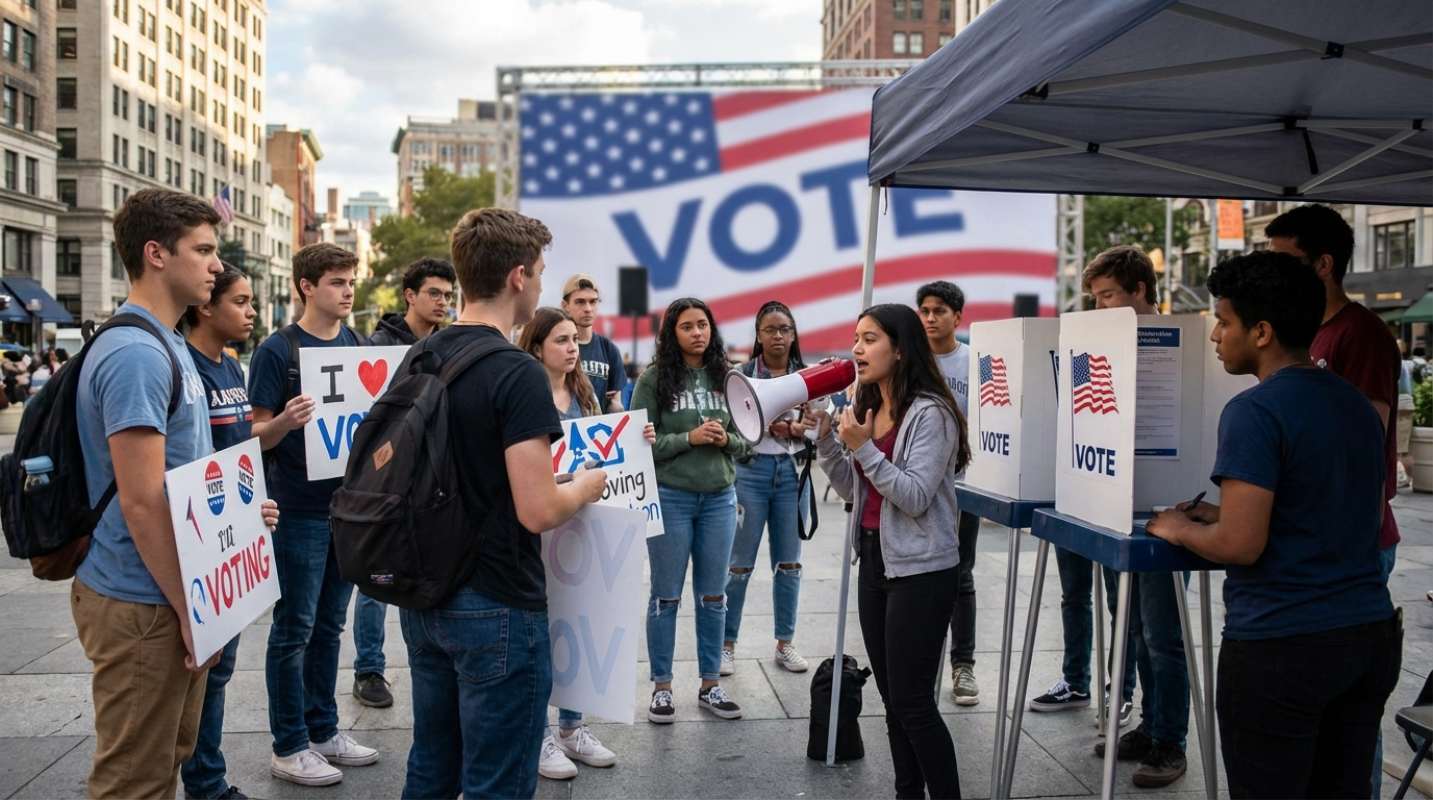
The way political and social discourse spreads on TikTok is defined by two key factors: speed and satire. Complex issues are condensed into trending sounds, dances, and highly specific meme formats. This allows ideas to spread instantly, bypassing traditional media gatekeepers.
But this rapid dissemination also contributes to trend fatigue. Just as aesthetic trends cycle quickly, so do ideological ones. Causes and political issues can spike into global visibility only to fade rapidly as the algorithm moves on. This creates a challenging environment for sustained activism, leading to what some describe as "activism cycles" that are intense but short-lived.
Mental health is a major theme driving content in 2025. The normalization of therapy-speak is widespread, with terms like "trauma bonding" or "setting boundaries" entering everyday conversation. Although the platform has created key communities for support and destigmatization, there's a serious caveat. As Dr. Mahbuba Sultana, a child psychologist, notes, the pressure to "look perfect and stay 'on trend'" is creating rising anxiety among youth.³ Social media provides a platform for expression, but it simultaneously heightens the stakes of performance.
This utility-driven approach extends even to finance. We are seeing the rise of Microlearning, where young people consume short, focused chunks of educational content. Need to know how to invest? You’re probably not reading a textbook. You’re turning to TikTok, where 46% of Gen Zers are seeking financial advice on social media.²
The Fragmentation of Identity and the Search for Belonging
What these 2025 trends ultimately reveal is a generation navigating a deeply complex world by prioritizing genuine connection over superficial fame. They are hyper-aware of marketing and performance, and they demand that brands and creators alike meet them with radical honesty.
The culture is fundamentally fragmented. The traditional idea of a unified youth identity is obsolete. Instead, identity is a fluid concept, explored through niche communities—whether bonding over the shared experience of Looksmaxxing (the intense focus on physical optimization, often found among young men) or finding solidarity in #WomeninSTEM communities.
This fragmentation is paradoxically a search for belonging. It’s easier to find your people when the platform allows you to drill down into the most minute, specific interests. TikTok is a massive, dynamic mirror, reflecting the anxieties, aspirations, and hyper-specific humor of a generation that is highly adaptive, fiercely authentic, and always, always moving on to the next era.
Sources:
1. TikTok Trends, Gen Z, and Marketing Guide
https://www.contentgrip.com/tiktok-trends-gen-z-marketing-guide/
2. 2025 Gen Z and Alpha TikTok Trend Report
https://growthcurve.co/2025-gen-zalpha-tiktok-trend-report
3. From Trends to Identity: How Social Media is Shaping Youth Culture in 2025
https://www.rajdhaninews.com/social-media/from-trends-to-identity-how-social-media-is-shaping-youth-culture-in-2025
<small>This article is for informational and educational purposes only. Readers are encouraged to consult qualified professionals and verify details with official sources before making decisions. This content does not constitute professional advice.</small>