 (Image source: Gemini)
 Generation Z, those born roughly between 1997 and 2012, are now fully entrenched in the U.S. electorate. If you’re paying attention to political discourse, you know they aren’t just showing up; they’re rewriting the rules of engagement. They've reached political maturity during a period of unprecedented instability: climate crises, mass social upheaval, school shootings, and the lingering shadow of economic recession.
This isn't just a new cohort of young voters; it’s a politically charged force whose activism, driven relentlessly by social media and highly specific policy concerns, is creating measurable, sometimes shocking, shifts in electoral behavior.
The traditional political playbook doesn't work on them. They don't trust legacy institutions, and they certainly don't wait for cable news to tell them what matters. Instead, they focus on existential issues like climate change, the crushing weight of student debt, and demands for radical social justice reform. So what does this actually mean for election results? It means volatility. It means a generation that is active but not necessarily loyal.
Social Media, Mobilization, and Information Consumption
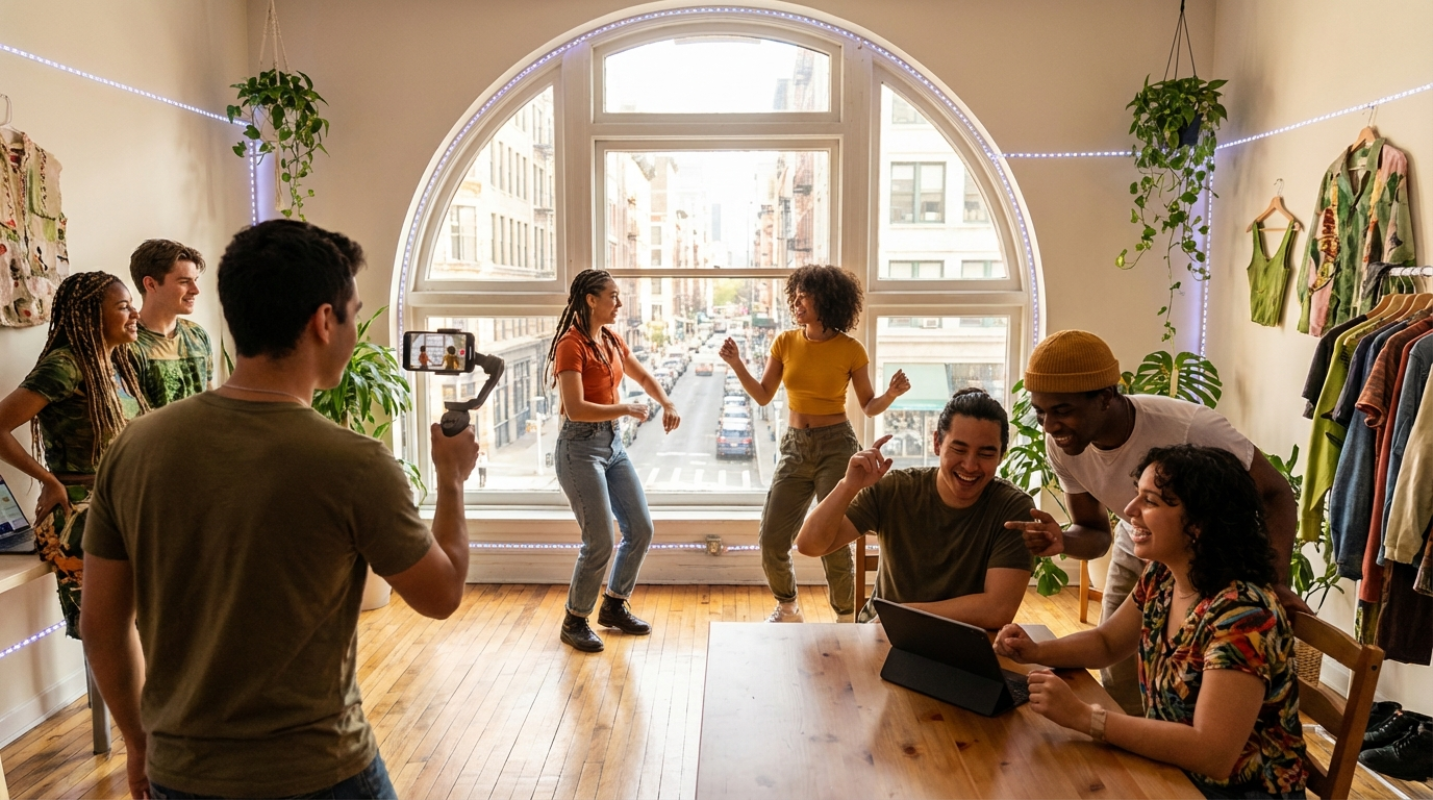
If you want to understand Gen Z political behavior, you have to start where they live: online. For this generation, platforms like TikTok and Instagram are the primary tools for political education and mobilization, completely bypassing the gatekeepers of traditional media.
Think of it like this: the 24-hour news cycle of the past has been replaced by an algorithm-driven, hyper-personalized feed of political content. Approximately one-third of American adults under 30 now get their news on TikTok, and about half of users in that age bracket use the platform to keep up with politics and news.² This shift has deep implications for how campaigns run.
The platform’s structure rewards authenticity and drama. Campaigns have learned that investing in individual micro-influencers and creating content that feels relatable—not polished—matters to reaching these voters. But this environment is also volatile. Research shows that partisan content receives roughly twice the engagement of nonpartisan content, and "toxic" videos, those defined by rude or disrespectful language, see even higher interaction rates.² This creates an emotional echo chamber that can rapidly mobilize action, but also build political cynicism.
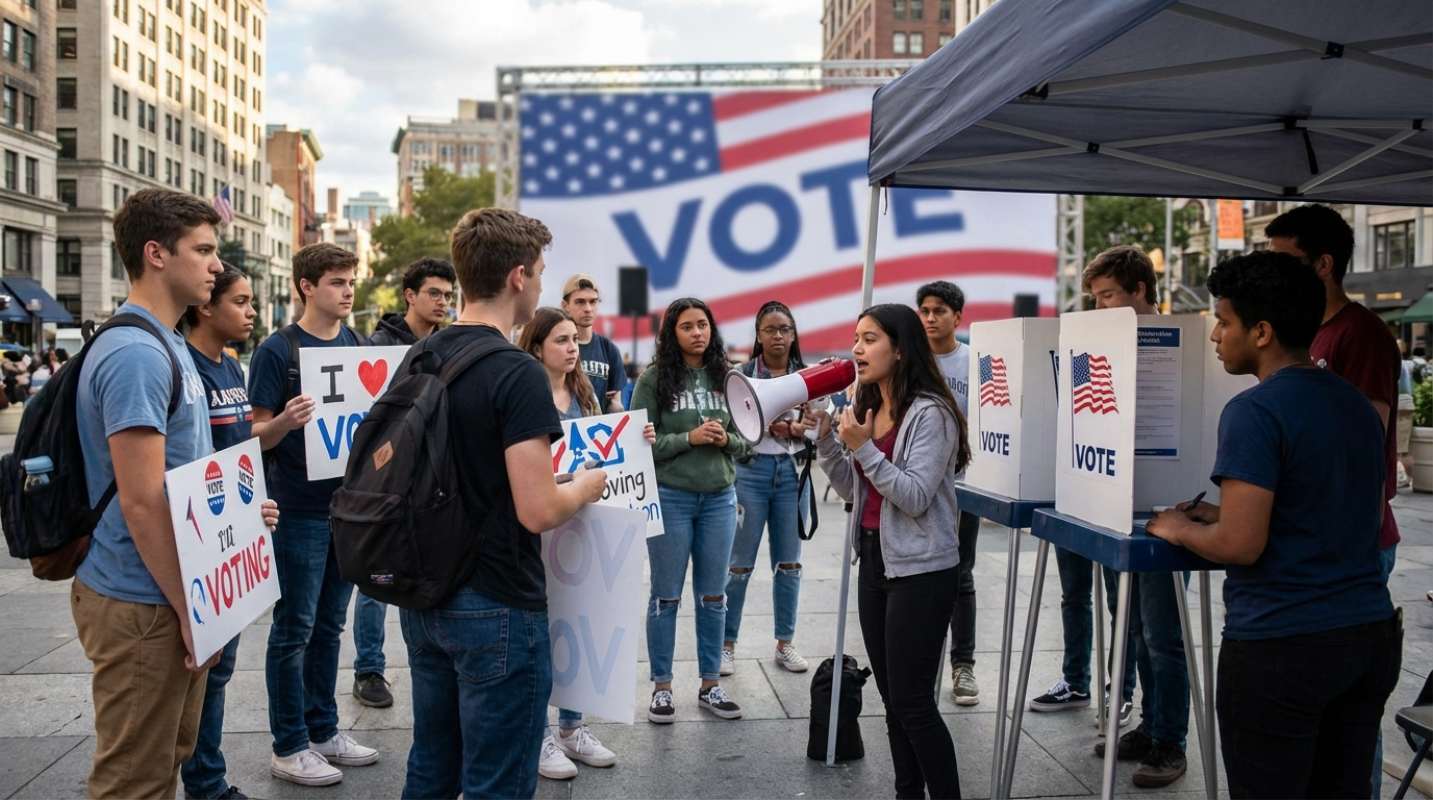
The old debate about "slacktivism"—liking a post instead of showing up—is over. Digital activism is now directly correlated with voter registration drives and actual turnout, even if the content itself is highly polarized.
Where Gen Z Priorities Diverge from Older Voters
Although Gen Z is often characterized by its focus on social liberalism, recent data confirms a deep shift toward economic pragmatism. This generation came of age facing massive student loan burdens, staggering housing costs, and stagnant wages. They are worried about survival.
Between 2021 and 2024, the share of Gen Z citing economic issues as their top voting concern jumped from 31% to 40%.³ This focus on financial hardship is unique among age groups; older generations saw their economic anxieties remain stable or even decline in the same period. For Gen Z, policy isn't theoretical; it’s about their ability to afford a life.
But their focus on social and environmental issues remains high, distinguishing them sharply from their parents and grandparents. Climate change, like, is a top foreign policy priority for about six-in-ten young adults, a significantly higher percentage than adults 65 and older.¹
They are also far more likely to express moral convictions through direct action. Gen Z is more liberal on social norms and more willing to engage in civil disobedience (43% compared to 33% or less of older generations).³ This means their activism doesn't end at the ballot box; it extends into protests, boycotts, and public pressure campaigns demanding that candidates actively adapt to their specific, high-stakes concerns.
Electoral Impact: Analyzing Turnout and Swing State Shifts
The story of Gen Z's electoral impact is complex, defined less by monolithic support for one party and more by shocking fluidity.
In the 2020 election, youth turnout was historically high. But the 2024 general election saw a significant retreat, with overall youth participation (ages 18-29) dropping substantially to an estimated 42% participation rate.¹ This decline was coupled with a dramatic ideological shift.
In 2020, the Democratic candidate won the youth vote by a staggering 25 points. By 2024, that margin had narrowed to just 4 points.¹ This marked the strongest showing for a Republican presidential candidate among young voters since 2008.
What fueled this massive swing? The data points to a growing moderation within the generation and a severe gender gap. The share of Gen Z identifying as liberal dropped considerably between 2021 and 2024, while the share identifying as moderate and conservative grew significantly.³ Importantly, young men surged toward the Republican candidate, with their support increasing by 15 percentage points, while young women remained strongly Democratic, though with less intensity than in previous cycles.¹ This widening gender split is a important factor driving the electoral volatility in swing states, making the youth vote less predictable than ever before.
This generation’s influence isn't limited to their own votes, either. Their intense engagement—via digital advocacy and moral conviction—often creates a spillover effect, influencing the voting habits of family members and local communities by forcing issues like student debt and climate action into the mainstream conversation.
Loyalty to Issues, Not Parties
The most important takeaway for anyone analyzing U.S. politics is that Gen Z activism is fundamentally transactional. They aren't loyal to the Democratic or Republican party apparatus; they are loyal to outcomes.
The challenges facing this generation are structural. They grapple with voter registration hurdles and, perhaps more significantly, a deep-seated political cynicism born from watching repeated failures to address crises like climate change and economic inequality.
Their move toward moderation and their increased receptivity to third-party messages show that traditional two-party politics is failing to capture their interests. They want concrete policy solutions, and if the established parties can’t deliver, they will seek alternatives. In fact, a significant 66% of 18-to-24-year-olds align with the Democratic party, yet they are increasingly open to non-aligned or third-party options, signaling dissatisfaction with the status quo.¹
For the upcoming 2028 election cycle and beyond, Gen Z will remain the most powerful force for change. But candidates can no longer rely on simple platitudes or identity politics to win them over. They demand authenticity, transparency, and, most importantly, results on the issues that directly affect their financial and physical futures. This generation is forcing a fundamental reckoning in American politics: either adapt to their pragmatic demands, or risk losing the entire future electorate.
Sources:
1. Youth Voter Turnout and Ideological Shifts (Tufts/Harvard/Morning Consult)
https://circle.tufts.edu/2024-election
https://www.hks.harvard.edu/faculty-research/policy-topics/politics/young-voters-shifted-right-2024-election-ash-center
https://pro.morningconsult.com/analysis/gen-z-political-ideology-more-moderate-2024
2. Impact of TikTok Activism on US Elections (GMFUS/Pew/Harvard Misinfo)
https://www.gmfus.org/news/tiktok-2024-us-presidential-race-trending-campaign-approach-or-passing-trend
https://www.pewresearch.org/short-reads/2024/08/20/about-half-of-tiktok-users-under-30-say-they-use-it-to-keep-up-with-politics-news/
https://misinforeview.hks.harvard.edu/article/toxic-politics-and-tiktok-engagement-in-the-2024-u-s-election/
3. Gen Z Policy Priorities vs. Older Generations (Pew/Dartmouth)
https://www.pewresearch.org/short-reads/2024/07/19/us-adults-under-30-have-different-foreign-policy-priorities-than-older-adults/
https://fas.dartmouth.edu/news/2024/11/how-ai-tiktok-and-instagram-are-shaping-us-election