The Democratic National Committee (DNC) has initiated a coordinated nationwide campaign aimed at opposing President Trump's recently introduced "American Growth and Prosperity Act." The multi-pronged effort, which includes town halls, digital advertising, and grassroots mobilization, seeks to rally public opposition to the administration's proposed overhaul of federal tax codes and spending priorities.
Overview of the Proposed Legislation
President Trump unveiled the legislative package earlier this month, framing it as a necessary measure to stimulate economic expansion and reduce the federal deficit. The "American Growth and Prosperity Act" proposes significant changes to current fiscal policy.
Key Provisions:
- Corporate Tax Reduction: The bill seeks to lower the corporate tax rate from 21% to 15%, arguing that this will incentivize domestic investment and job creation.
- Social Spending Cuts: To offset revenue reductions, the legislation outlines cuts to discretionary domestic spending, including reductions in funding for the Department of Education and the Environmental Protection Agency (EPA).
- Entitlement Reforms: The proposal includes adjustments to eligibility requirements for certain federal assistance programs, such as the Supplemental Nutrition Assistance Program (SNAP) and Medicaid.
- Deregulation Incentives: The bill offers tax credits to companies that demonstrate compliance with new, streamlined regulatory frameworks intended to reduce bureaucratic oversight.
Democratic Opposition and Key Objections
Democratic leadership in both the House and Senate have unified against the proposal, characterizing it as a regression in economic equity. The opposition campaign focuses on several core arguments regarding the bill's potential impact on middle- and lower-income Americans.
Primary Concerns:
- Wealth Disparity: Democrats argue that corporate tax cuts will primarily benefit shareholders and executive leadership, rather than the broader workforce, exacerbating income inequality.
- Impact on Services: Opposition leaders highlight that the proposed spending cuts would erode essential public services, particularly in education and environmental protection, potentially harming long-term national competitiveness.
- Deficit Implications: Citing independent economic analyses, Democrats contend that tax cuts will not pay for themselves through growth and will instead significantly increase the national debt over the next decade.
- Healthcare Access: The proposed changes to Medicaid eligibility are a focal point of the campaign, with critics warning that millions of vulnerable citizens could lose access to necessary healthcare coverage.
Campaign Strategy and Mobilization
The Democratic campaign uses diverse tactics designed to pressure Republican lawmakers in swing districts and inform the general public about the specifics of the legislation.
Strategic Components:
- "Truth in Taxation" Tour: Senior Democratic officials, including House Minority Leader Hakeem Jeffries and progressive leaders like Senator Bernie Sanders, are scheduled to visit key battleground states. These events will focus on town hall-style discussions to explain the local impact of the proposed budget cuts.
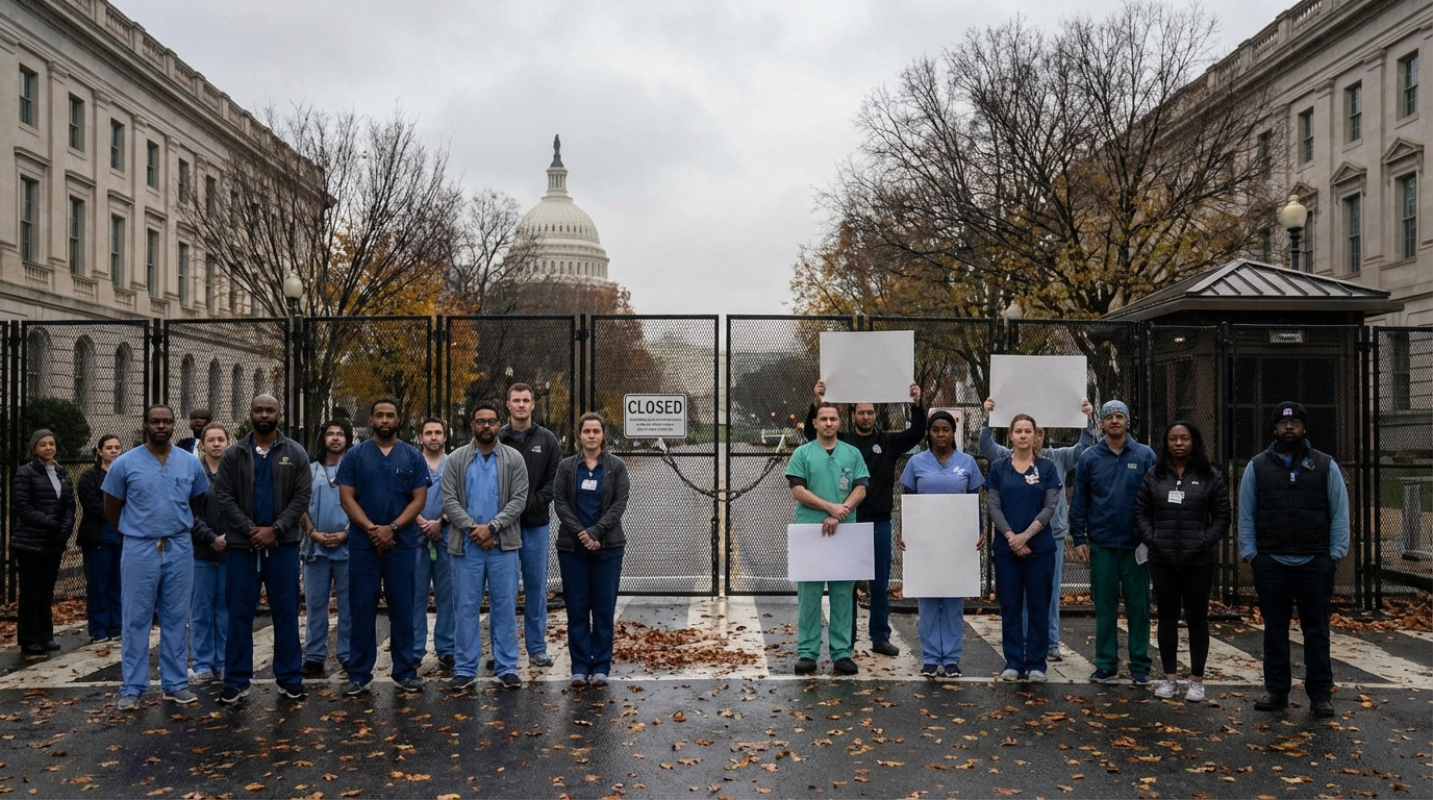
- Digital and Broadcast Advertising: The DNC has authorized significant ad buy targeting markets in Arizona, Pennsylvania, and Wisconsin. The advertisements feature testimonials from teachers, healthcare workers, and small business owners expressing concern over the bill.
- Coalition Building: The party is strengthening alliances with labor unions, environmental advocacy groups, and healthcare organizations to form a united front against the legislation.
- Legislative Maneuvering: Within Congress, Democrats are preparing a series of amendments to force recorded votes on specific, popular provisions of the current tax code that the new bill would alter, aiming to create political leverage ahead of the midterm election cycle.
Administration Response
In response to the campaign launch, the White House Press Secretary issued a statement defending the bill. The administration asserts that Democrats are engaging in "fear-mongering" and maintains that the tax cuts will lead to a surge in GDP that benefits all income levels. President Trump is expected to hold a series of rallies in support of the legislation starting next week in Ohio and Florida.
The legislative battle is expected to intensify when Congress returns from recess in September, with votes on the initial framework of the bill scheduled for late autumn.