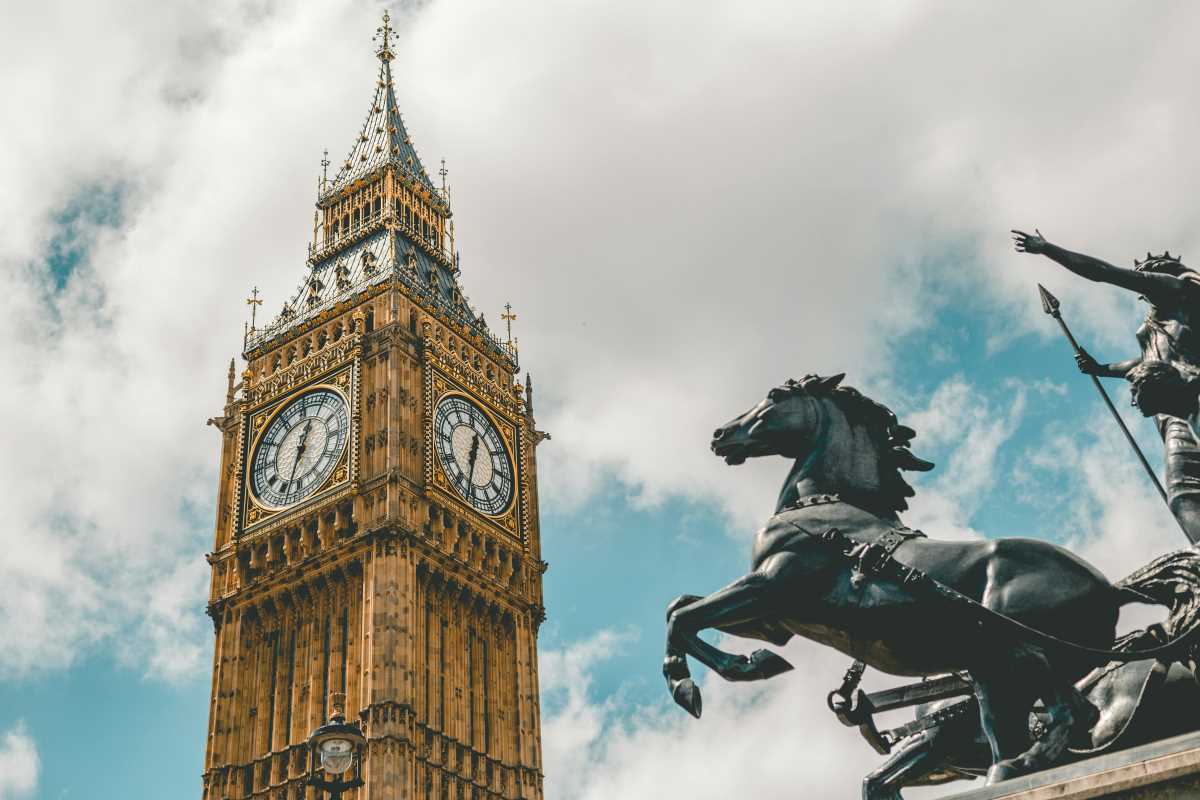
World leaders and high-ranking diplomats have convened in London this week for a high-stakes summit aimed at charting a path toward peace in Ukraine. As the conflict enters its fourth year, the "Summit for Security and Reconstruction" has drawn delegations from over 40 nations, focusing on securing a sustainable ceasefire and addressing the humanitarian crisis resulting from the prolonged hostilities.
Key Participants
The summit, hosted by the British government, features a coalition of Western allies and key international partners. While the Russian Federation is not in attendance, the gathering represents a significant diplomatic push to present a unified front.
Notable attendees include:
- Ukraine: President Volodymyr Zelenskyy heads the Ukrainian delegation, continuing his appeal for advanced security guarantees.
- United Kingdom: The British Prime Minister, serving as the summit host, opened the proceedings by emphasizing the need for long-term stability in Eastern Europe.
- United States: A delegation of senior U.S. officials is present to discuss continued aid packages and strategic defense cooperation.
- European Union: Representatives from major EU member states, including France, Germany, and Poland, are in attendance to coordinate economic sanctions and reconstruction funding.
- Global South Representatives: Diplomats from India, Brazil, and Turkey are participating as observers and potential mediators, bridging the dialogue between the Western alliance and other global powers.
Summit Objectives
The agenda for the London Summit is divided into three primary tracks, reflecting the complex nature of the ongoing crisis.
- Diplomatic Roadmap: The primary goal is to establish a framework for potential ceasefire negotiations. This involves outlining pre-conditions for talks that satisfy Ukraine's sovereignty requirements while creating a realistic avenue for diplomatic engagement with Moscow.
- Security Guarantees: Discussions are centered on creating a binding security architecture for Ukraine. This includes commitments to long-term military support and intelligence sharing to deter future aggression.
- Economic Reconstruction: A significant portion of the summit is dedicated to the "Kyiv Recovery Plan," a proposed international fund aimed at rebuilding critical infrastructure damaged during the winter campaigns of 2024-2025.
Agreements and Developments
While a definitive peace treaty remains elusive, several interim agreements have emerged during the early sessions of the summit.
- Joint Declaration on Sovereignty: Participating nations signed a reaffirmed commitment to Ukraine's territorial integrity, rejecting any border changes achieved through force.
- Defense Industrial Cooperation: The UK and Ukraine announced a new partnership to co-produce defense equipment, aiming to bolster local manufacturing capabilities within Ukraine.
- Humanitarian Aid Pledges: A combined pledge of $5 billion in humanitarian aid was announced by G7 nations to address the immediate needs of displaced populations and restore energy grids.
Ongoing Challenges
despite the diplomatic activity, significant obstacles to a comprehensive resolution remain evident.
Divergent Strategies
Reports from closed-door sessions indicate friction regarding the timeline for negotiations. Some Western allies are reportedly advocating for exploring diplomatic channels sooner, while the Ukrainian delegation maintains that military parity must be achieved on the battlefield before substantive talks can begin.
The Absence of Russia
The absence of Russian representatives limits the summit's immediate ability to enact a ceasefire. Kremlin spokespeople dismissed the London gathering earlier this week, stating that any peace plan discussed without Russia's input is "detached from reality."
Funding Fatigue
Discussions regarding long-term financial support have highlighted growing constraints among donor nations. With domestic economic pressures mounting in Europe and North America, securing multi-year financial commitments has proven more difficult than in previous years of the war.
The summit is scheduled to conclude on March 17, with a final communiqué expected to outline the agreed-upon steps for the coming months.