 (Image via
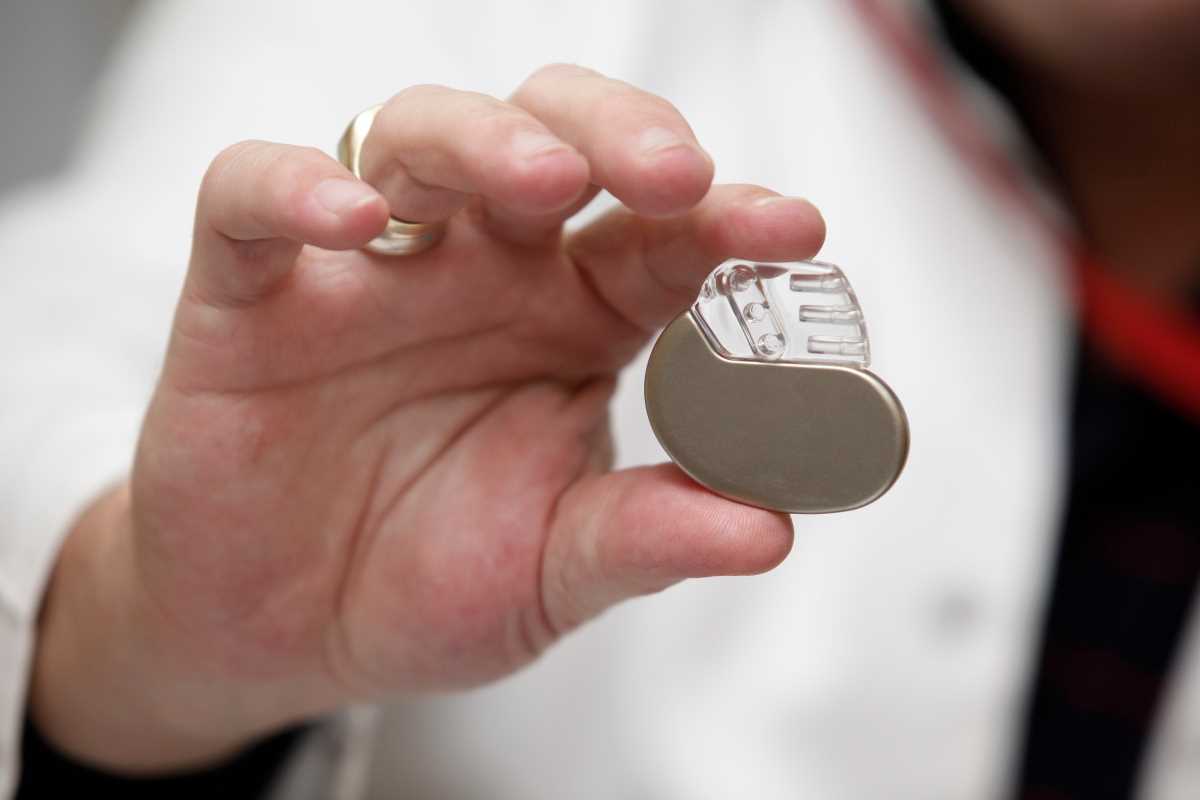
Researchers at Northwestern University have announced the development of a transient pacemaker, reportedly the smallest of its kind ever created. The fully biodegradable device is designed to dissolve harmlessly in the body after its use is complete. This innovation aims to replace current methods for temporary cardiac pacing, particularly for patients recovering from heart surgery.
Device Overview and Specifications
The newly unveiled device represents a significant reduction in size and weight compared to traditional temporary pacemakers. According to the technical data released by the university, the device measures just 250 microns in thickness and weighs less than half a gram.
Key specifications include:
- Materials: The pacemaker is constructed from fully biocompatible materials, including magnesium, tungsten, silicon, and PLGA (a biodegradable polymer). These materials naturally break down and are absorbed by the body's metabolic processes.
- Power Source: Unlike traditional pacemakers that rely on internal batteries, this device harvests energy wirelessly from an external remote antenna using near-field communication (NFC) protocols. This eliminates the need for bulky power storage components and rigid leads.
- Flexibility: The device is soft and pliable, allowing it to conform to the curved surface of the heart without suturing.
Operational Mechanics
The primary function of the device is to provide temporary electrical stimulation to the heart during critical recovery periods.
Placement and Function
Surgeons implant the device directly onto the heart's surface. Once activated via the external transmission coil, it delivers electrical pulses to regulate the heartbeat. The operational lifespan of the pacemaker can be programmed by adjusting the thickness and composition of the materials. Currently, the device is designed to operate for a period ranging from a few days to several weeks, depending on clinical requirements.
Dissolution Process
Once the treatment period concludes, the device degrades via hydrolysis. The breakdown products are non-toxic and are excreted by the body, removing the need for a secondary surgical procedure to extract the device.
Clinical Implications
The introduction of this technology addresses several complications associated with current temporary pacing methods. Standard practice often involves "transcutaneous" leads—wires that pass through the skin to connect the heart to an external power box.
The Northwestern research team highlighted the following improvements over standard care:
- Infection Control: By eliminating wires that exit the skin, the risk of surgical site infections is significantly reduced.
- Avoidance of Extraction Trauma: Traditional temporary leads can become enveloped in scar tissue, making removal difficult and potentially damaging to the heart muscle. The biodegradable nature of the new device circumvents this risk entirely.
- Patient Mobility: Because the device is wireless and implantable, patients are not tethered to external hardware, potentially allowing for greater mobility during recovery.
Research Context and Future Outlook
This development builds upon previous iterations of transient electronics pioneered at Northwestern. While earlier prototypes demonstrated the feasibility of the concept, the 2025 model features enhanced durability, smaller architecture, and more efficient power transfer capabilities.
The university indicated that while the device has shown success in advanced animal models and preliminary trials, the research team is now preparing for expanded clinical applications. Regulatory review processes are expected to commence later this year to determine the timeline for widespread hospital adoption.