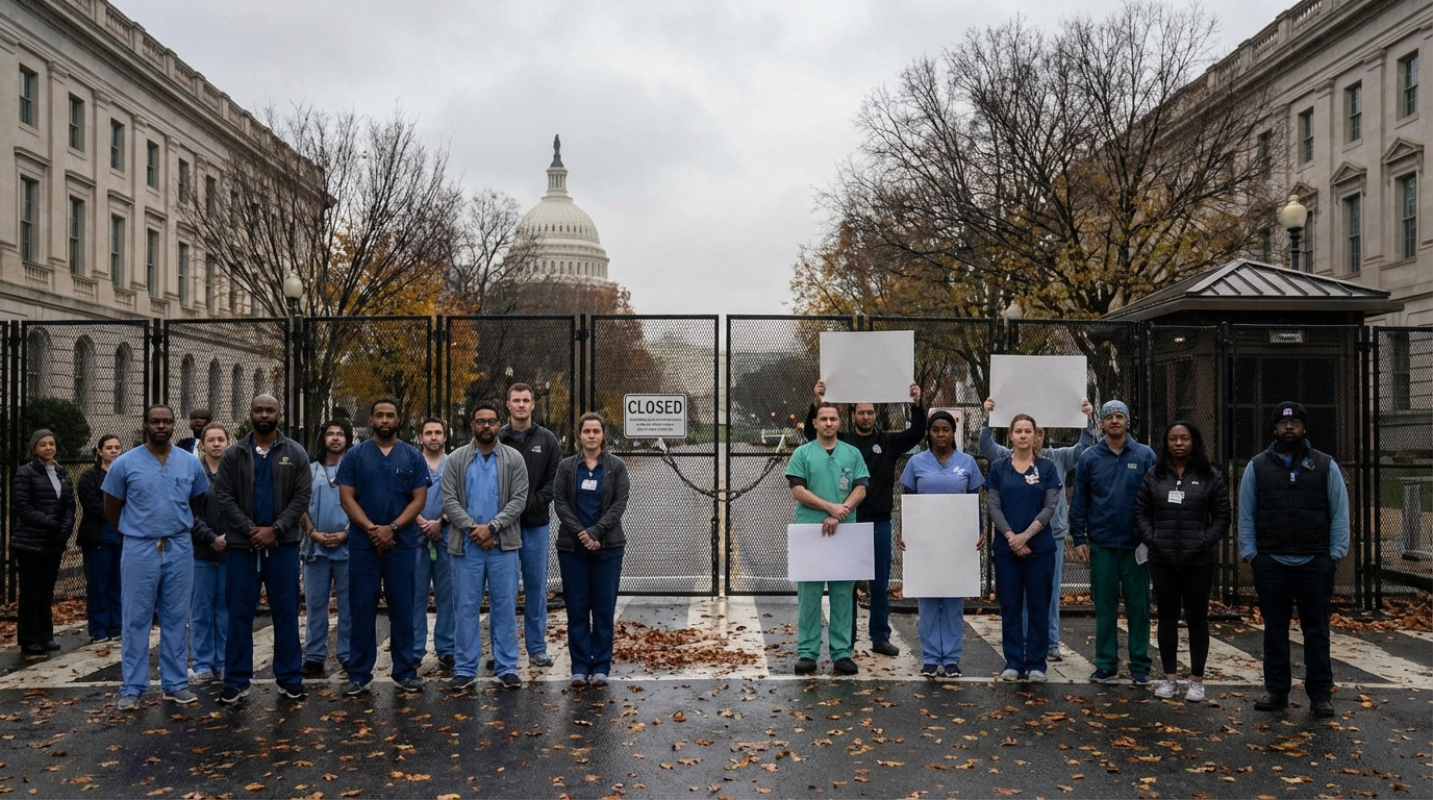
It happened fast. You might have missed the news amidst the chaos of late 2024, but the Georgia Supreme Court dropped a procedural bomb on October 7, immediately reinstating the state’s restrictive six-week abortion ban. For just one week, healthcare providers in Georgia had been operating under a brief period of expanded access, following a lower court ruling that struck down the law. Then, the hammer fell.
This sudden reversal—effective immediately at 5 p.m. that Monday—didn't just change the law; it created instant whiplash for patients and doctors alike. This isn't just a legal skirmish; it’s a deep shift in healthcare access, forcing difficult conversations about privacy, medical necessity, and the future of reproductive freedom in the South. We need to analyze the legal basis for this chaos, the immediate healthcare consequences, and what this means for your rights moving forward.
The Legal Journey — From HB 481 to the October Shock
To understand the October 2024 ruling, you have to rewind to 2019, when Georgia passed House Bill 481, also known as the Living Infants Fairness and Equality (LIFE) Act. This law bans abortion once embryonic or fetal cardiac activity is detected, which typically occurs around six weeks of pregnancy. That’s often before a person even realizes they’re pregnant.
The legal fight against HB 481 has been relentless. In late September 2024, a Superior Court judge in Fulton County successfully sided with plaintiffs, finding that the ban violated the Georgia Constitution’s fundamental right to privacy. For seven glorious days, clinics could once again offer broader care.
Then came the procedural maneuver on October 7. The Georgia Supreme Court didn’t issue a full, reasoned opinion on the constitutionality of the law. Instead, they granted the state’s Emergency Petition for Supersedeas.¹
What’s a Supersedeas? Think of it like hitting the emergency brake on the lower court’s ruling. It’s a procedural stay that allows the state to enforce the six-week ban indefinitely while the Supreme Court takes its time hearing the full appeal. It wasn't a final judgment on the merits, but the effect was immediate and devastating: HB 481 was back in force.
Importantly, the Supreme Court did leave one key part of the lower court’s ruling in place: a block on a provision of HB 481 that would have given state prosecutors broad access to abortion patients' medical records without due process protections.³ That’s a small victory for patient privacy, but it does little to alleviate the lack of care.
Impact on Providers and Access in Georgia
The immediate consequences of the October 7 order were nothing short of catastrophic for healthcare providers. Clinics that had just reopened their schedules to patients past the six-week mark were forced to cancel appointments and turn away individuals who had often traveled hundreds of miles for care.
This ban, experts estimate, eliminates access to abortion for nearly 90% of patients in Georgia.² If you’re a patient in rural parts of the state, or if you’re low-income and need to arrange childcare and time off work, those six weeks vanish in a heartbeat.
The reinstatement has cemented Georgia's restrictive status in the Southeast, forcing a massive ripple effect. Georgia is an important access point for residents of neighboring states like Alabama, South Carolina, and Tennessee, which have similar or even stricter bans. Now, everyone is forced to travel even farther—often to Florida, North Carolina, or even Illinois—to seek care.
Data confirms this strain. In the first full year after the ban’s initial implementation, abortions among Georgia residents declined by approximately 13%, marking the first decline since 2017.⁵ This happens even as national abortion rates have generally risen. The remaining providers face logistical challenges, increased patient load, and the constant threat of legal uncertainty.
Patient Experiences and Understanding the New Reality
The impact of this ruling isn't measured in legal documents; it’s measured in human suffering and delayed care. When access is restricted to six weeks, delays in diagnosis become medical emergencies.
For pregnant individuals, particularly those with existing health vulnerabilities, navigating this ban is a nightmare. Doctors report being paralyzed by fear of criminal prosecution, often feeling forced to wait until patients are suffering life-threatening complications—like severe hemorrhaging or sepsis—before intervening.
Consider the tragic reality documented by the state itself. Georgia’s Maternal Mortality Review Committee determined that the 2022 deaths of two Black women, Amber Nicole Thurman and Candi Miller, were “preventable.” The committee linked their inability to access urgent, necessary medical care to the confusion and fear created by the ban’s criminal penalties.⁶ This isn't theoretical; this is a direct threat to the lives of Georgians, particularly Black women, who already face disproportionately high rates of maternal mortality.
Advocacy groups are now the primary safety net. Organizations like the ACLU and Planned Parenthood are pivoting their resources, focusing heavily on funding travel, providing legal information, and supporting patients who must cross state lines. For many low-income patients, these funds are the only way they can afford the journey necessary to receive care.
Political Fallout and The Future Fight
The reinstatement of HB 481 has immediately intensified the political climate in Georgia. Governor Brian Kemp’s office and Republican state legislators praised the ruling, framing it as a victory for the protection of life. They view the Supreme Court’s procedural stay as a validation of their legislative efforts.
Meanwhile, Democrats and reproductive rights advocates are mobilizing for the 2025 legislative session. The focus won’t just be on challenging HB 481 in court; it will be on pushing legislative counter-measures. You can expect fierce debates over attempts to codify abortion rights into state law or, conversely, efforts to pass even stricter bans that might target medication abortion.
The 2024/2025 election cycle now hinges heavily on this ruling. For candidates, reproductive rights are no longer abstract; they are the immediate, enforceable reality in Georgia. Every legislator will be forced to take a clear, public stance on the ban, shaping how the law is enforced and whether Georgia remains an outlier in the South or joins the growing list of states attempting to restore access.
Resources and Support in a Restrictive Climate
If you or someone you know is navigating pregnancy options in Georgia, the most important thing is access to accurate, up-to-date information. Due to the legal volatility, providers and advocacy organizations are the most reliable source for understanding the current six-week limit and exceptions.
Remember, while the procedural stay is in place, the fight is far from over. The legal battle over the state constitution’s right to privacy will continue at the Supreme Court level, and advocacy groups are actively working to fund travel and support those forced out of state for care.
Top Recommendations for Navigating Care
- Know the Clock: Cardiac activity can be detected around six weeks. Because this is calculated from the last menstrual period, you often have very little time—sometimes only two weeks—to confirm the pregnancy and schedule an appointment.
- Seek Funding and Travel Assistance: Abortion funds are needed resources for covering costs beyond the procedure itself, including travel, lodging, and childcare.
- Verify Clinic Status: Always call the clinic directly to confirm their current service limits before traveling.
Sources:
1. Georgia Supreme Court Reinstates Six-Week Abortion Ban
https://www.aclu.org/press-releases/georgia-supreme-court-reinstates-six-week-abortion-ban
2. Press Release: Georgia Supreme Court Reinstates Six-Week Abortion Ban
https://www.acluga.org/press-releases/press-release-georgia-supreme-court-reinstates-six-week-abortion-ban/
3. GA-SCT order 10.7.24
https://assets.aclu.org/live/uploads/2024/10/GA-SCT-order-10.7.24.pdf
4. SisterSong v. State of Georgia
https://reproductiverights.org/cases/post-roe-state-abortion-ban-litigation/sistersong-v-state-georgia/
5. Abortions in Georgia dipped last year, evidence of changing space of reproductive health
https://www.gpb.org/news/2024/10/31/abortions-in-georgia-dipped-last-year-evidence-of-changing-space-of
6. Five Years After the Signing of Georgia GOP’s Abortion Ban, Georgia Women Continue to Suffer
https://georgiademocrat.org/five-years-after-the-signing-of-georgia-gops-abortion-ban-georgia-women-continue-to-suffer/